
04 | 2024 Sanna Valkeejärvi & Petri Jartti, Solution Architect
Kipinä expert Petri Jartti notes that the industry has not undergone any major upheavals over the past 26 years. The field evolves continuously rather than through sudden disruptions. Let's take a closer look at the man behind the statement.
Petri has industry experience dating back to 1997, when he started as an intern at Nokia Networks, where he also completed his master's thesis. "Nokia was booming back then and considered a launching pad for the industry. There were numerous projects and no real schedule pressures. Some succeeded, some didn't, and it didn't matter all that much. The best part was that as a young, recent graduate, you got to dive straight into coding," Petri recalls of the beginning of his career.
Petri has worked on long-term projects that are significant for society and has thrived in extended undertakings. "The best moment, of course, is always when something is ready for testing and production. But at its worst and best, this can be preceded by a two-year project. In such cases, you need to find something daily that fuels your motivation to enjoy staying with the same job for a long time."
"Big solutions are made up of small pieces, so every day you can solve some problem or issue, even if the whole project is still ongoing. Even small solutions give you a sense of accomplishment in this work," Petri explains the reasons behind his job satisfaction.

"Personally, I have always been dedicated to work and projects. I like working with people and helping people. In Kipinä, the community has become more and more meaningful to me."
Changes in the industry?
Petri says that there have been no major upheavals in the industry in 26 years, although there is talk of a rapid pace of change. "The industry is constantly innovating, not through upheavals. Every year is different as technologies change and evolve. That's why you don't get bored with your job here."
Petri does, however, notice one tangible shift: "Cloud computing has transformed the industry, making the world significantly more virtual. Another change I've noticed is that coding, testing, and getting code into production has actually slowed down due to the sheer volume of additional factors to consider. On the bright side, code quality has improved dramatically."
"Another positive development has been the adoption of open-source methodologies in software development and production. It has introduced a sense of community to the work and led to the creation of shared software libraries available to everyone."
In addition to these, Petri mentions the rise of automation, which means fewer human resources are needed for routine tasks nowadays. Regarding artificial intelligence, he notes that "it's quite a lot of hype."
"Artificial intelligence consists of computer programs and language models, which have always existed in some form, like image recognition or text generation. I also think that machines have always been, in a way, servants, helping humans. The first machines probably helped produce fabric or carpets. Today, machines produce many different things. For a computer to become a true companion to humans would require an immense amount of expertise and understanding, and I don’t believe we will see that in our lifetime."
"We go wrong if more and more is produced solely by AI and machines. It certainly helps, but it's the human who brings emotion and soul to the process and the final product, whether it's workplace innovations or making music. A good artist or coder is someone who knows how to harness the machine to help reach a creative flow. If the machine always generates everything, nothing truly unique is created. The more energy you put into the work, the more emotion is present in the final product."
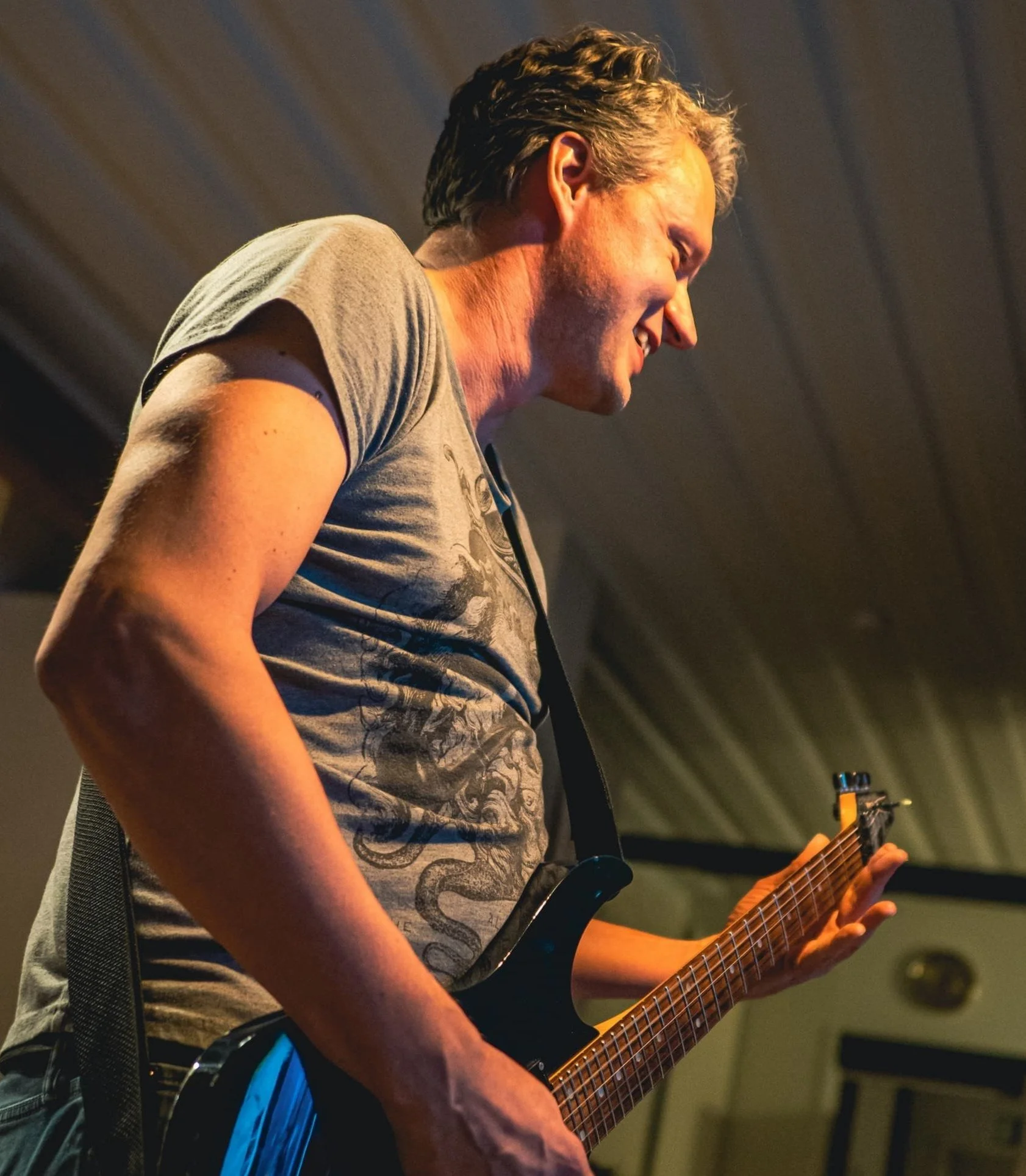
I spend a lot of time pondering what creativity is and what it consists of. Creative individuals who can create something entirely new out of nothing have my utmost respect!
Looking to the Future
Petri describes the world and professional life he hopes to see more of in the future: "Work will become easier as machines learn to assist humans, leaving us with more time for family and friends. Banging your head against the wall will decrease, and people will be better equipped to connect with one another."
Although Petri believes in that bright vision of the future, there is something that concerns him: "How will young people enter the workforce when the demands are so high? That's what worries and frustrates me the most about this industry. In this field, experience and doing the work are what teach the most and produce the top experts of the future. Problem-solving skills and awareness develop through experience."
About Kipinä, people, and work-life balance
Petri has been with Kipinä for almost three years now—right from the beginning. "Before joining Kipinä, I resigned from a job for the very first time in my life. It was certainly a nerve-wracking and major change, but the transition was made easier because I knew Kari and Olli, what they were like, and how the entire ecosystem operates."
Earlier, Petri mentioned that he enjoys working with people. At Kipinä, people have an even greater significance: "Because I want to continuously improve and maintain my skills, it's great to have conversations with other Kipinä colleagues, whether one-on-one or in organized group sessions. It's wonderful to be surrounded by like-minded people."
However, there is more to life than just work. Petri wants to make time for the things that truly matter. Music and playing his guitar serve as a counterbalance to work and technology.
"I spend a lot of time pondering what creativity is and what it consists of. Creative individuals who can create something entirely new out of nothing have my utmost respect! Whether it's a piece of music, a painting, or a technical solution that looks, sounds, or feels right. Coding requires creativity as well; you have to be clever and devise elegant solutions to problems."