
Kipinä Breakfast Club 29 January 2026: Hope for the future is guided by trust, humanity, and humane digital development
02 | 2026 Olli Laine, CEO & Co-founder
Accompanied by sunshine and crisp frost, the first Kipinä Breakfast Club gathered around 40 Finnish business leaders and digital decision-makers at Allas Pool last week to discuss the current state of digital development, future competitive factors, and the major forces of change that are shaping the business environment right now.
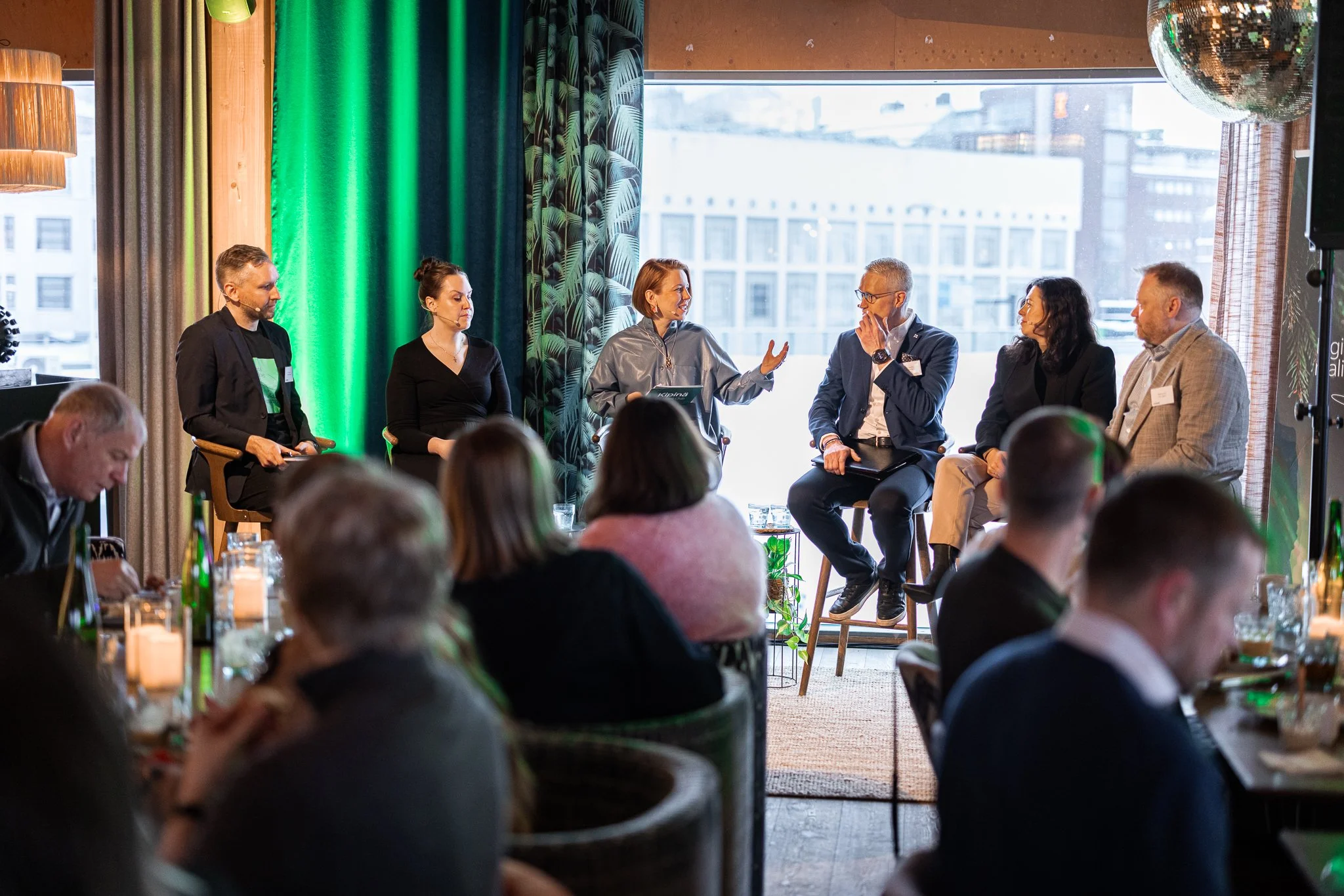
The aim of the breakfast event was not to provide ready-made, set-in-stone answers, but rather to invite open, honest, and humane dialogue. The common thread running through the discussion was Kipinä's Collective Vision 2026, which brings together views on how technology, people, and structures should be aligned in an uncertain and rapidly changing world.
We invited leading figures in the field to share their views in a fruitful panel discussion:
Jarno Limnell, Professor of Cybersecurity, Member of Parliament
Satu Samira Hamed, planetary strategist, Planet Diplomats
Teemu Linna, Artificial Intelligence Expert, CTO Agion
Tove Mylläri, Innovation Project Lead, Yle
Olli Laine, CEO & Co-founder, Kipinä Software
The discussion quickly gave rise to timely themes and ideas, which we sent back to Finnish companies and communities – to continue the dialogue that had got off to such a good start!
Trust is not “nice to have” – it is the infrastructure of the future
One of the strongest shared observations from the discussion was this: trust is the most important technology of the future.
Cybersecurity, regulations, and geopolitical uncertainty were not only seen as constraints in the discussion, but also as factors that directly shape the sources of competitive advantage. Trust is no longer a static characteristic or communication strategy, but a perceived process: how decisions are made, whether they can be influenced, and whether people understand their own role in change.
Finland was seen to have strong trust capital – but at the same time, it was recognized that this cannot be taken for granted. Trust must be earned again and again, especially in a digital and AI-assisted operating environment. The discussion even raised the idea of a new leadership role: Chief Trust Officer – a position focused on deepening trust, anticipating trends, reading signals from the environment, and strengthening the resilience of the organization.
Technology is easy – people make the difference
Several panelists summed up the same observation in different words: in digital development, technology accounts for at most 10%, while people account for 90%.
Artificial intelligence, agentic software development, automation, and digital tools are becoming increasingly accessible to more and more organizations. The differences arise from how people learn, collaborate, and dare to experiment. Psychological safety emerged as a key prerequisite in the discussion: fearful or uncertain people do not innovate.
Successful organizations are not those with the most tools, but those with:
clear direction and shared vision
space for learning and experimentation
structures that enable action
leadership that reduces shame and increases courage
Experience, action, and learning together alleviate fear. "Carried water does not stay in the well" – learning does not work if motivation does not come from within.
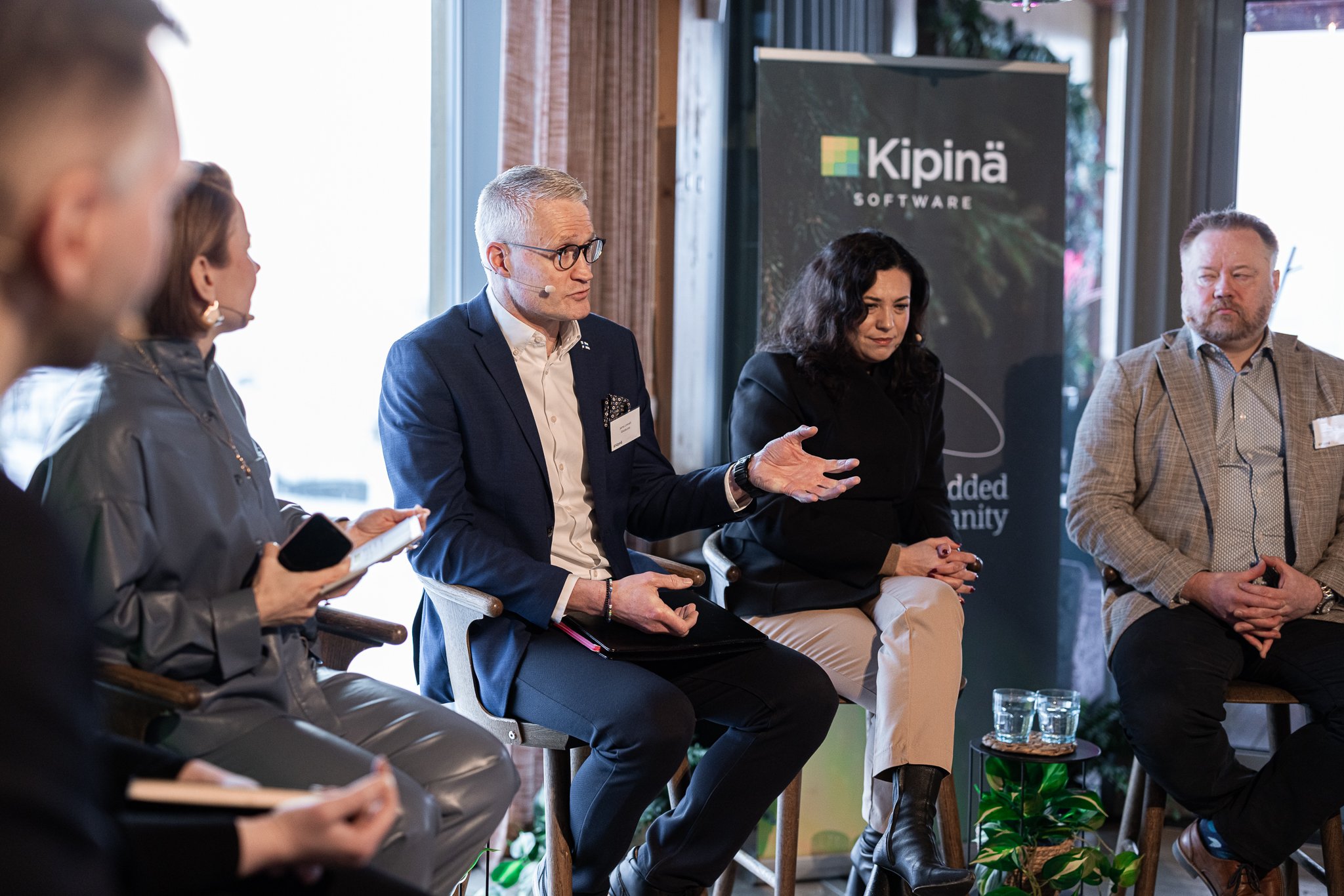
Resilience, foresight, and the ability to live with uncertainty
There was broad agreement in the discussion that the future will bring surprises – at an ever-increasing pace. This is why foresight is becoming increasingly important, but equally important is the ability to react, adapt, and recover.
The real challenge for organizations is not a lack of signals, but the ability to translate high-level observations into practical action. At the same time, it was noted that excessive focus on efficiency can narrow the ability to see new opportunities. Design, coaching, and creativity are easily abandoned, even though they are needed more than ever.
“For example, agentic software development has changed the daily lives of many experienced top professionals in recent months. The work of experienced developers has been revolutionized, and most of the code is now generated using agents. The work of many developers has largely shifted to design and code quality control. Embracing such a change requires, above all, a safe environment for the development of new roles."
Olli Laine, CEO, Kipinä
Resilience was seen as a characteristic of both individuals and communities: a safe environment, a sense of belonging, and caring for others create a foundation for sustainable change.
Innovation requires bandwidth, structures, and courage
Innovation does not arise from haste, fear, or official responsibility. The discussion emphasized the need to create space for action: time, structures, and space where people can meet and ideas can take root.
The bottleneck has never been code production. The more difficult part is understanding what should be done – and daring to do it together. Organizations that are capable of being both quick and thoughtful, experimental and responsible will be in a strong position in the next wave of digital development.
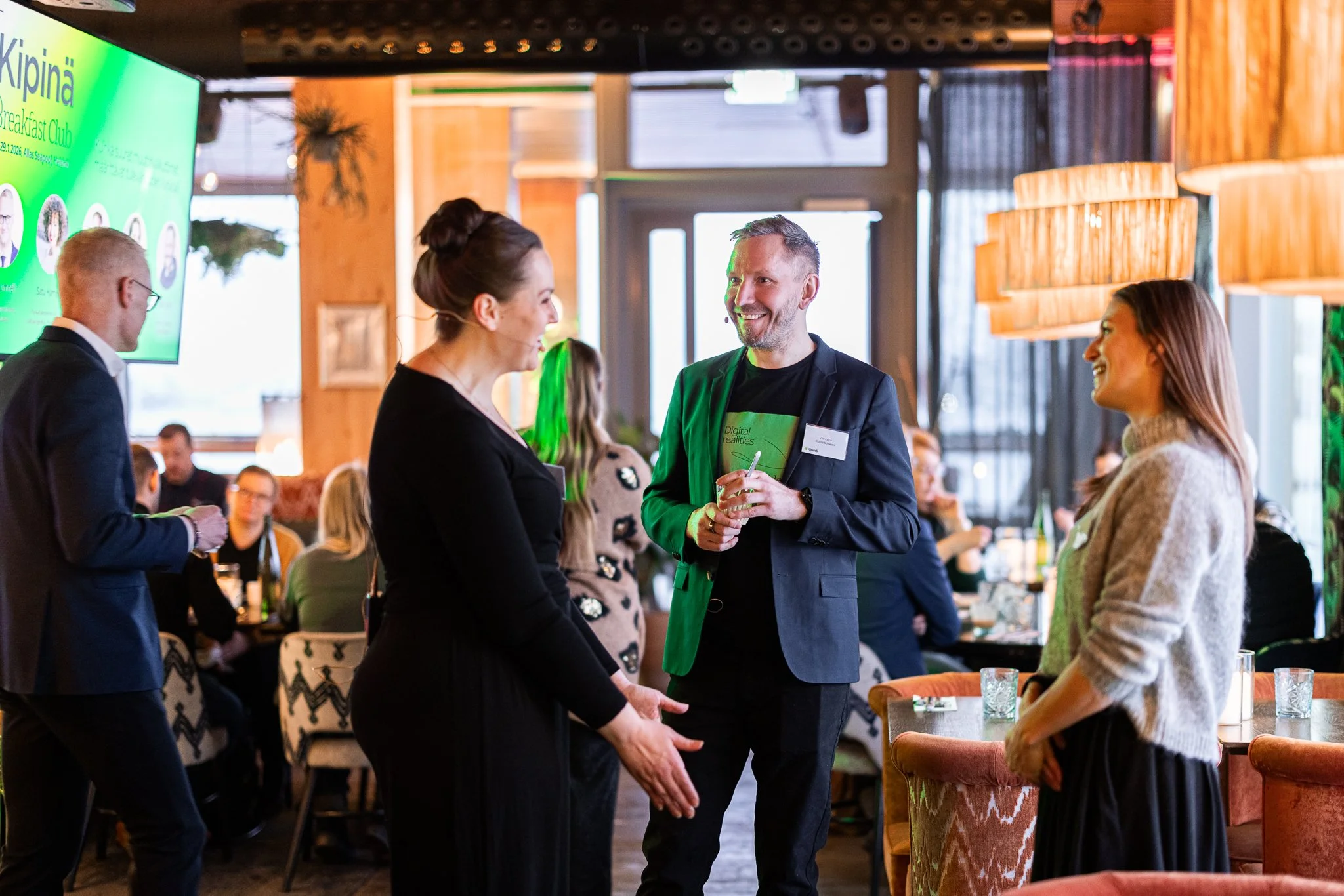
A shared direction, shared responsibility
The discussion left a strong impression: we are not just surviving change, we have the opportunity to influence it. Finland has a good starting point – trust capital, expertise, and innovation – but the direction requires conscious leadership and joint action.
Collective Vision 2026 serves as a basis and continuation for discussion: it brings these themes together and invites more and more people to join in building future competitiveness together. Download your free report here!
A big thank you to all the guests and wonderful panelists! Let's dare to spark!
Did you miss the event, but would like to hear about the next Kipinä Breakfast Club?
Subscribe to our newsletter and be among the first to know when the next event takes place!
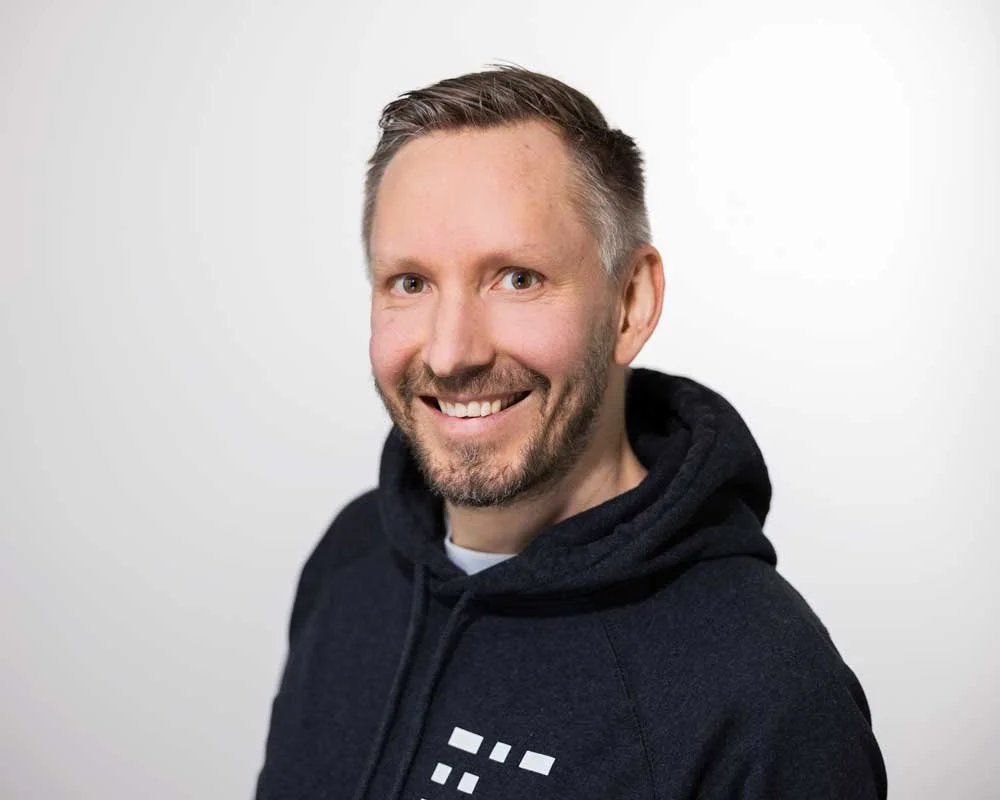
Olli Laine, CEO & Co-founder, Kipinä
Olli Laine is one of the visionaries behind the future of domestic digital development and AI-based software development, a passionate advocate of data-driven management, and one of the co-founders of Kipinä Software. In addition to his role as CEO, he is also an avid orienteer and cross-country skier.